
They Would Still Be Worthy
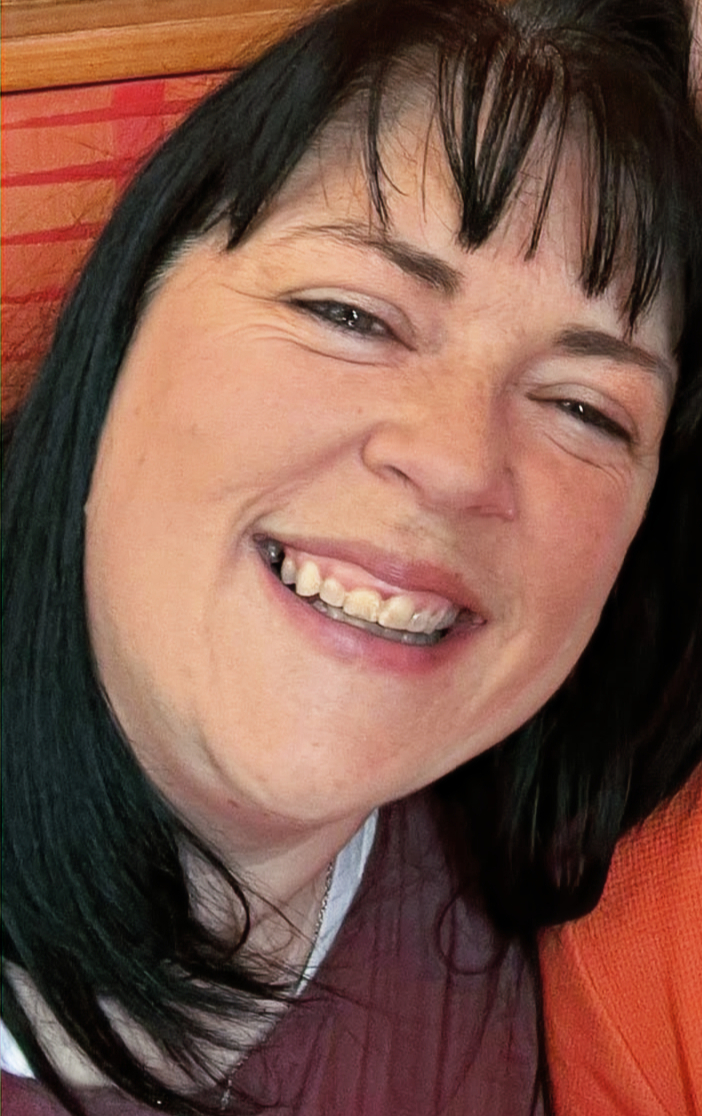
By Erika Ronder Rogers, Guest Writer
Erika is the founder of Abide Village -- a nonprofit organization dedicated to creating an inclusive, supportive and sustainable housing community (the foundation of which is at least 30 cottage-style homes to be built in Louisa County) designed to meet the needs of low-income individuals and those with disabilities.
I’ve spent the last few days watching the internet react to a video where a couple chose to abort their baby because he had Down syndrome.
[You can read one of the many published stories about this account here.]
What struck me most wasn't just the decision itself -- it was the reasoning behind it. The comments about people with Down syndrome being a "glitch," a burden, or destined for a "bad life" reveal something much deeper about how our society still measures human worth.
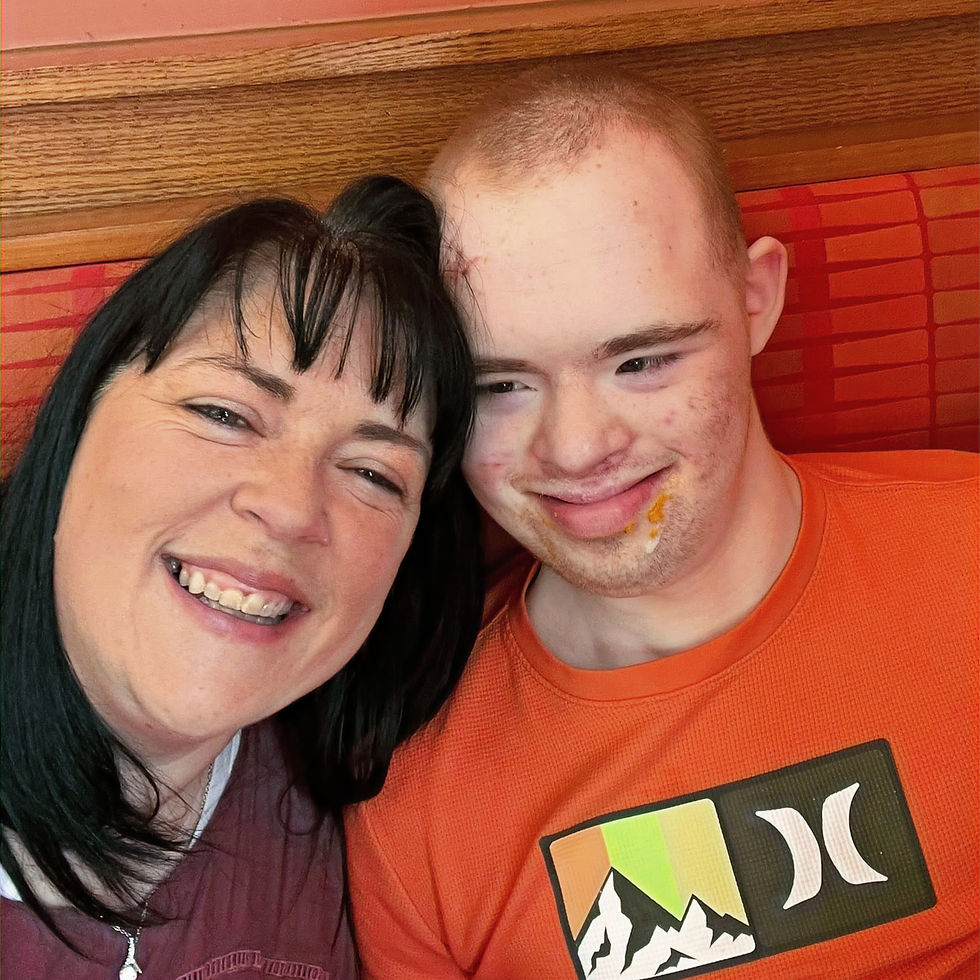
Years ago, I traveled to the other side of the world multiple times specifically to adopt children with Down syndrome. Today, four of those children are my sons and daughters.
They go to school. They attend sporting events. They go to dances. They travel. They go to the beach, the zoo, and church. They have friends, favorite foods, hobbies, opinions, and dreams. They laugh until they can't breathe. They bring joy, frustration, chaos, and love to our family — just like every other child.

But even if they never did any of those things, they would still be worthy.
Because a person's value is not determined by their IQ, productivity, independence, diagnosis, or what they can contribute to society. Human beings have worth simply because they are human.
What is most heartbreaking to me is that in 2026, we still look at people through the lens of what they cannot do and use that to determine whether their lives are valuable.
My children are not mistakes. They are not glitches.
They are image bearers of God.
They are worthy of dignity, belonging, love, and life.
And so is every human.
If you want to help people in Hanover County with intellectual or developmental disabilities via The Arc of Hanover, donate here.
If you are a disability self-advocate, parent, caregiver or concerned citizen interested in writing a blog post for The Arc of Hanover -- on family relationships or any subject -- please contact Sue Jeantheau, Communications Committee, at sue.jeantheau@thearcofhanover.org.


Comments